Consumer rights 2025 is shaping up to be a pivotal year for consumers as legislation is set to evolve in response to the rapid advancements in digital commerce. This transformation promises to enhance protections while adapting to the unique challenges and opportunities that arise in an increasingly online marketplace.
With organizations advocating fiercely for consumer rights, it’s crucial for individuals to understand their entitlements and how to navigate the landscape ahead. Access to reliable information and education on consumer rights will empower shoppers, ensuring they are well-equipped to make informed decisions for themselves and their families.
Consumer Rights in 2025
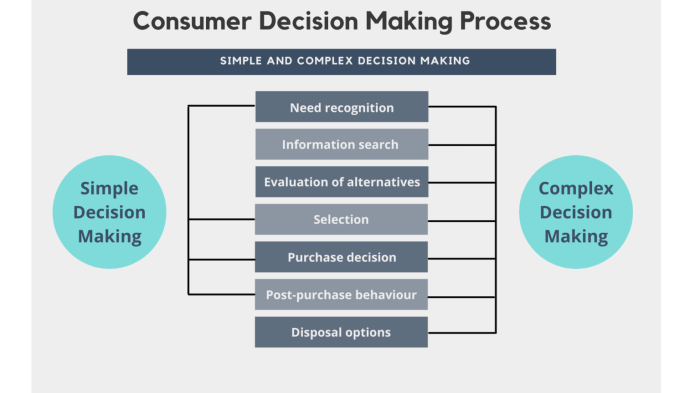
Consumer rights are evolving rapidly, especially in the context of a digital economy. By 2025, we anticipate significant changes in legislation aimed at enhancing consumer protection, reflecting the growing influence of technology and digital commerce. As consumers increasingly turn to online platforms for their shopping needs, laws will adapt to ensure their rights are safeguarded in this new landscape.The anticipated changes in consumer rights legislation by 2025 are largely driven by the need to address challenges posed by digital commerce.
There will be a stronger emphasis on data protection, with regulations ensuring that companies are accountable for safeguarding consumer data. Enhanced transparency measures will be implemented, mandating that online businesses provide clear information on terms of service, pricing, and refund policies. Moreover, consumers will likely see the introduction of more robust regulations concerning unfair commercial practices and misleading advertising, ensuring that their interests are not compromised in the digital marketplace.
Impact of Digital Commerce on Consumer Protections
Digital commerce has transformed the way consumers interact with products and services. As online transactions become the norm, the need for stringent consumer protections becomes more critical. Key areas expected to see significant advancements include:
- Data Privacy and Security: With the rise of digital transactions, concerns regarding personal data have surged. Stricter regulations will be established to enhance data privacy, ensuring that consumers have control over their information and that companies implement robust security measures to protect it.
- Online Dispute Resolution: As e-commerce grows, mechanisms for resolving disputes online will become essential. By 2025, consumers will have access to efficient and user-friendly platforms to address grievances related to online purchases.
- Consumer Education: Increased digital literacy initiatives will empower consumers to make informed decisions. Organizations will focus on educating consumers about their rights in the digital marketplace, helping them navigate potential pitfalls.
- Enhanced Return Policies: Anticipated regulations will likely require online retailers to adopt fairer return policies, making it easier for consumers to return goods and obtain refunds when necessary.
Key Organizations Advocating for Consumer Rights
Several organizations play pivotal roles in advocating for consumer rights, influencing policies that shape the consumer landscape of the future. These organizations work to ensure that consumer interests are prioritized in legislative processes.
- Consumers International: This global federation of consumer organizations advocates for consumers at the international level. They focus on promoting fair trade practices and influencing policy changes that benefit consumers worldwide.
- Consumer Reports: Known for its rigorous product testing and advocacy, this non-profit organization provides consumers with reliable information and tools to make informed choices. Their research influences policy discussions around consumer safety and product quality.
- National Consumer Law Center (NCLC): NCLC works to ensure that low-income and vulnerable consumers have access to necessary resources and legal assistance. Their advocacy efforts focus on consumer protection laws and ensuring equitable treatment.
- Federal Trade Commission (FTC): As a U.S. government agency, the FTC enforces consumer protection laws and promotes fair competition. Their initiatives include tackling deceptive advertising and protecting consumers from fraud.
The collaborative efforts of these organizations are crucial in shaping a consumer-friendly environment, ensuring that rights are upheld and that consumers are protected as they navigate an increasingly digital world.
Consumer Information and Advocacy
Consumer rights in 2025 have evolved significantly, focusing on empowering individuals with reliable information and resources. In a digital age where information is abundant but not always accurate, it is crucial for consumers to understand their rights and how to advocate for themselves effectively. Access to reliable information can lead to informed decisions, enhancing consumer confidence and market fairness.Consumer education programs have undergone substantial transformations to adapt to the changing landscape of consumer rights and advocacy.
These programs aim to provide consumers with essential knowledge and tools, ensuring they are well-equipped to navigate the marketplace. By fostering a culture of informed consumers, these education initiatives are vital for promoting equitable and ethical business practices.
Methods for Accessing Reliable Information
Various methods are available for consumers to access trustworthy information regarding their rights in
Being informed is the first step in effective advocacy, and consumers can utilize numerous avenues to gain knowledge:
- Government Websites: Many countries have dedicated consumer protection agencies with websites offering guidance on rights, laws, and regulations. Examples include the Federal Trade Commission (FTC) in the United States and the Consumer Rights Agency in the UK.
- Consumer Advocacy Organizations: Non-profit groups like the Consumer Federation of America provide resources, reports, and newsletters focused on consumer issues, ensuring consumers stay informed on current challenges and rights.
- Social Media and Online Forums: Platforms such as Facebook and Reddit have groups dedicated to consumer advocacy where individuals share experiences and advice, creating a community of informed consumers.
- Webinars and Online Workshops: Organizations frequently host educational sessions to discuss consumer rights topics, reinforcing knowledge and providing actionable advice.
- Mobile Apps: Numerous applications are designed to help consumers track their rights, access legal information, and file complaints easily, granting instant access to essential resources.
Importance of Consumer Education Programs
Consumer education programs serve as a foundation for equipping individuals with the knowledge they need to navigate complex markets. The evolution of these programs has made them more accessible and relevant, reflecting contemporary issues that consumers face today. Educational initiatives are designed to address various aspects of consumer rights, including understanding contracts, recognizing fraud, and knowing the recourse available for unfair practices.
Programs now integrate technology, using interactive modules and real-world scenarios to enhance learning experiences.
Resources and Websites for Advocacy
Access to reliable resources is crucial for consumers seeking advocacy. The following list highlights key resources and websites dedicated to consumer rights advocacy, ensuring consumers have the tools needed to protect themselves:
- Consumer.gov: A comprehensive resource from the Federal Trade Commission providing information about consumer rights and how to file complaints.
- Better Business Bureau (BBB): Offers ratings, reviews, and complaint resolution services to help consumers make informed business decisions.
- Consumer Reports: A nonprofit organization that provides rigorous testing and reviews of products and services, helping consumers choose wisely.
- National Consumer Law Center (NCLC): Offers resources and advocacy for low-income consumers, focusing on legal rights and education.
- Public Citizen: An advocacy organization that focuses on consumer rights, offering reports and educational tools for consumers to understand their rights better.
Family Considerations in Consumer Rights
As families navigate the complexities of purchasing goods and services, understanding consumer rights becomes crucial. These rights play a significant role in household spending, impacting everything from grocery shopping to online purchases, ensuring families are treated fairly and ethically in the marketplace. With an increasing reliance on digital platforms for buying essentials, it’s essential to equip family members with the knowledge and strategies necessary to protect their rights as consumers.Consumer rights can deeply influence family purchasing decisions, as they provide a framework for fairness and transparency in transactions.
Families often face unique challenges due to varying ages and the diverse needs of members. These rights ensure that products meet safety standards, that consumers can return defective items, and that families are protected from misleading advertising. By being aware of their rights, families can make informed choices, leading to better financial decisions and improved satisfaction with their purchases.
Strategies for Protecting Family Rights When Shopping
To protect consumer rights effectively, families should adopt specific strategies when shopping both online and in physical stores. Understanding these strategies can empower families to advocate for themselves and their needs. Here are some key practices families can employ:
- Research Before Purchase: Families should take the time to research products and services. Reading reviews and checking ratings help identify trustworthy brands and avoid subpar purchases.
- Know Your Rights: Familiarize yourself with local consumer protection laws. This knowledge is crucial when dealing with issues like returns or product recalls.
- Keep Receipts: Always save receipts, as they serve as proof of purchase and can be essential for returns or warranty claims.
- Use Secure Payment Methods: When shopping online, ensure transactions are made through secure websites. Use credit cards or trusted payment services for added protection against fraud.
- Inspect Products: For in-store purchases, inspect items for damage before finalizing the transaction, especially for high-value goods.
- Engage with Customer Service: If issues arise, don’t hesitate to reach out to customer service. Clear communication can often resolve disputes efficiently.
Educating families about their consumer rights is a proactive approach to fostering awareness and improving shopping experiences. One effective way to achieve this is by organizing workshops tailored for family participation. Such workshops can cover a range of topics, including understanding product labeling, knowing how to report fraud, and the significance of warranties.
Workshop Design for Families
An educational workshop aimed at families can be designed to encourage participation and enhance understanding of consumer rights. The structure of the workshop should be engaging and interactive, allowing families to learn together. Here are essential components of the workshop:
- Interactive Sessions: Use role-playing scenarios to simulate real-life shopping experiences, allowing families to practice advocating for their rights.
- Guest Speakers: Invite consumer rights advocates or local businesses to share insights and answer questions, providing a well-rounded perspective on consumer issues.
- Resource Distribution: Provide handouts summarizing key consumer rights, tips for safe shopping, and contact information for local consumer protection agencies.
- Q&A Sections: Include time for families to ask questions, ensuring that specific concerns are addressed and understood.
- Feedback Mechanism: Implement a feedback system to gather insights from participants, allowing for continuous improvement of future workshops.
Through these workshops, families can gain invaluable knowledge about navigating the consumer landscape, ensuring they are well-equipped to make informed purchasing decisions while safeguarding their rights.
Final Thoughts
In summary, as we look towards Consumer rights 2025, the landscape is poised for significant change that prioritizes consumer protections amid the digital shift. By staying informed and proactive, consumers can not only safeguard their rights but also influence the policies that affect their purchasing experiences. Together, we can foster a more equitable marketplace for everyone.
FAQ Summary
What are consumer rights?
Consumer rights are the legal protections and entitlements granted to individuals when purchasing goods and services, ensuring fair treatment and safe products.
How will digital commerce impact consumer rights?
Digital commerce will likely lead to new regulations aimed at protecting consumers online, addressing issues like privacy, data security, and fair pricing.
Where can I find information about my consumer rights?
Reliable information can be found on government websites, consumer rights organizations, and dedicated advocacy groups focused on educating the public.
What role do advocacy organizations play?
Advocacy organizations work to promote consumer rights, influence policy changes, and provide resources for consumers to understand and exercise their rights effectively.
How can families protect their consumer rights?
Families can protect their rights by being informed about their entitlements, budgeting wisely, and utilizing educational resources to enhance their shopping experiences.